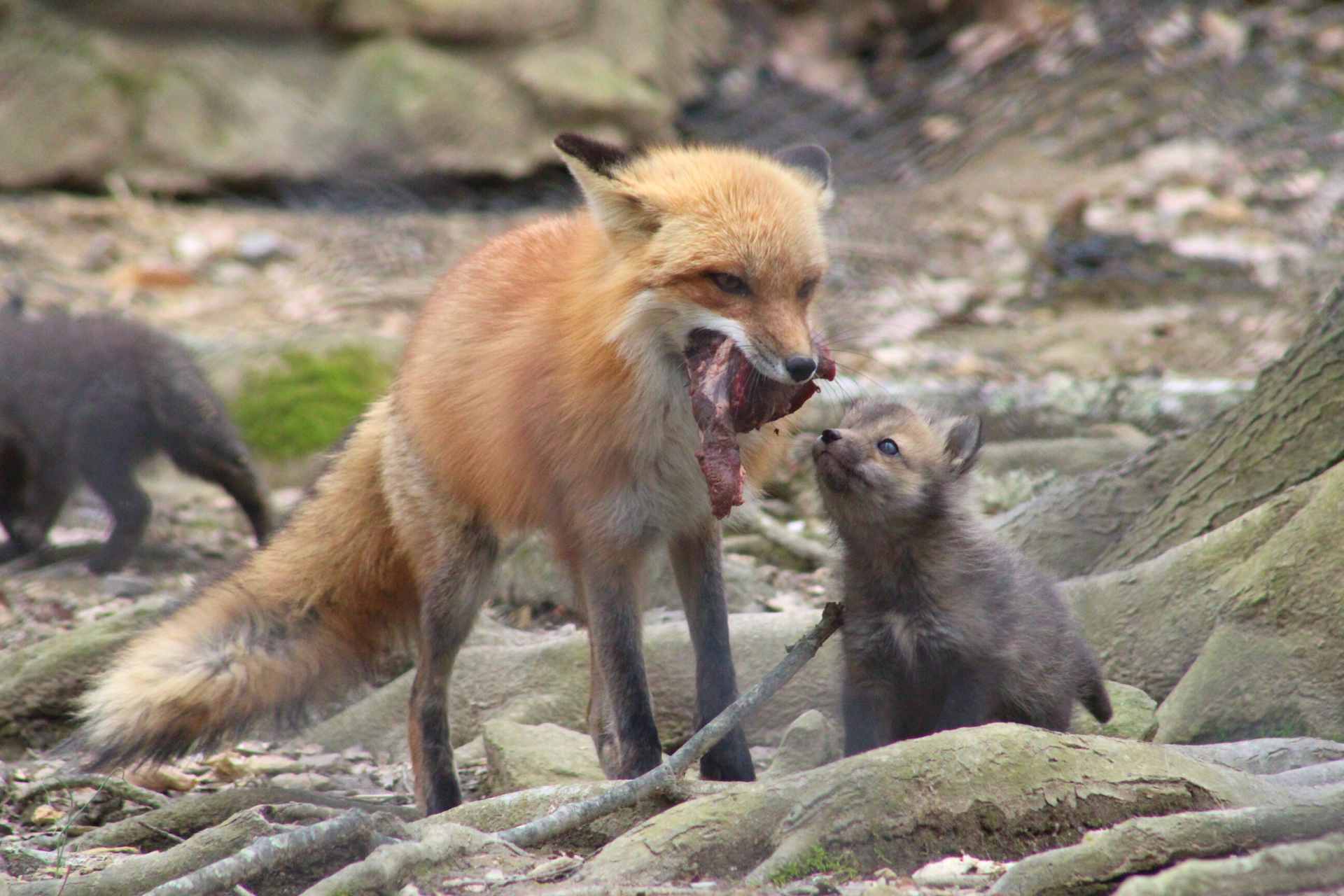
FRENCH CREEK – Foxes can be found throughout the world – typically amongst people – even if we aren’t always aware of them.
West Virginia is home to red and gray foxes, although one is more likely to be seen than the other, said Trevor Moore, wildlife biologist at the West Virginia Wildlife Center in French Creek.
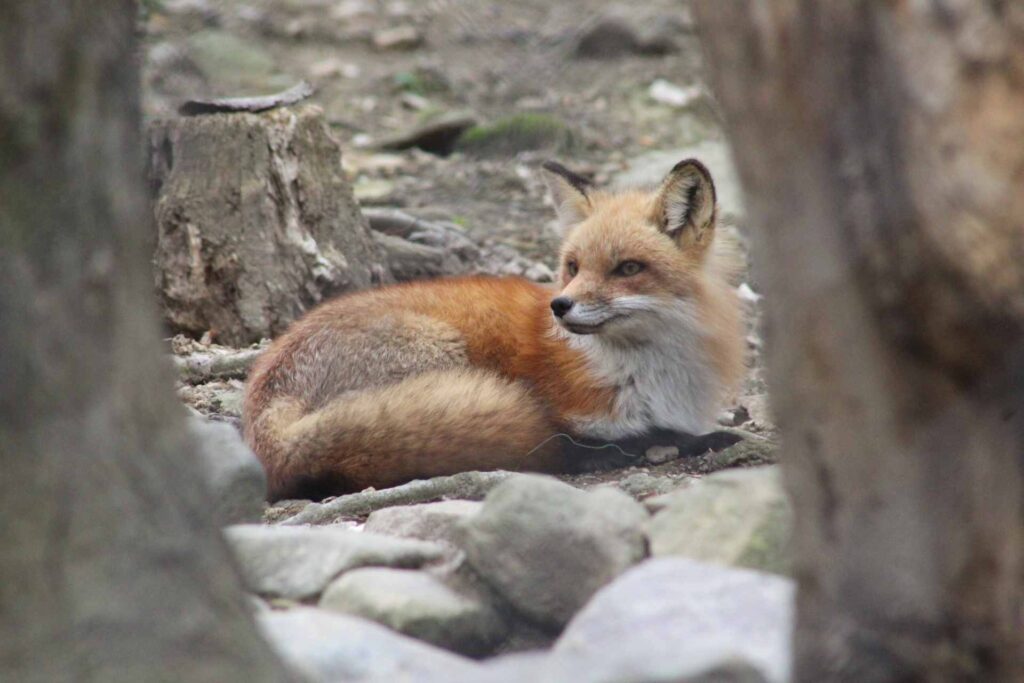
“Red foxes are the biggest, true foxes, and as far as foxes also go, they are the most aggressive,” Moore said. “Now, foxes in general are not an aggressive species, but among foxes, red ones are the most aggressive. They tend to dominate most other foxes and they’re also one of the most widely distributed because they’ve followed us around and adapted to human life so well.”
“They’re such generalists in their diets that they can thrive almost everywhere except for real extreme hots and the real extreme colds,” he added.

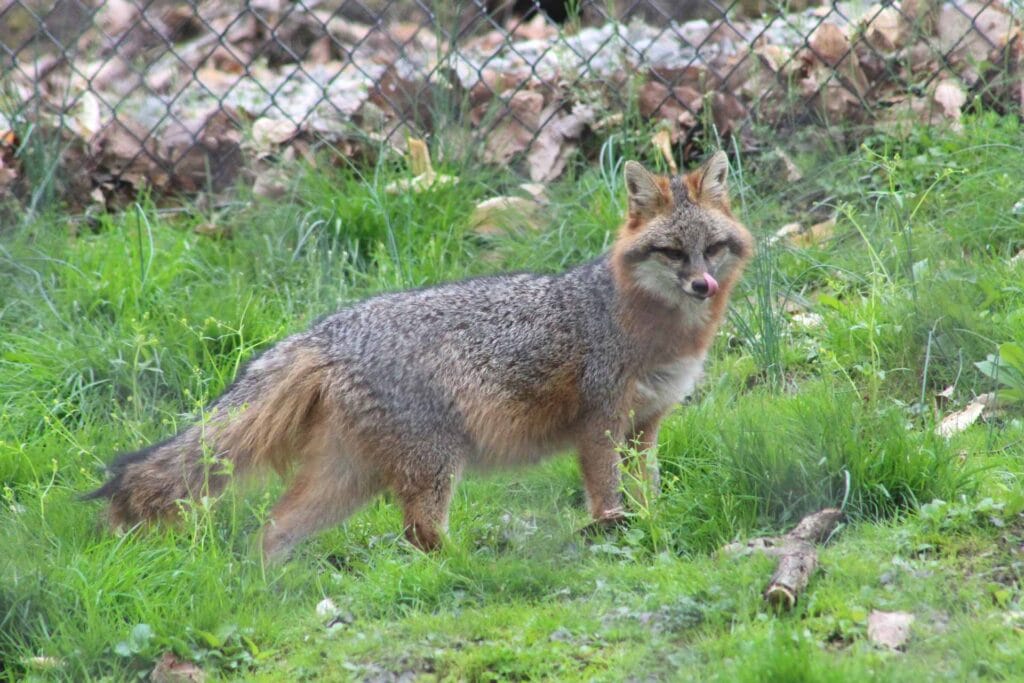
The gray fox is less widespread than the red fox and can be harder to spot because of its coloring.
“Gray foxes are the other ones that we have here in the U.S., and they tend to be much smaller; they tend to live in the more southern, temperate climates,” Moore said. “Red foxes are almost completely distributed across the U.S. — except for really far south in the deserts, but even then, in southern Utah, I saw red foxes all the time, mostly in the mountains and in the desert.”
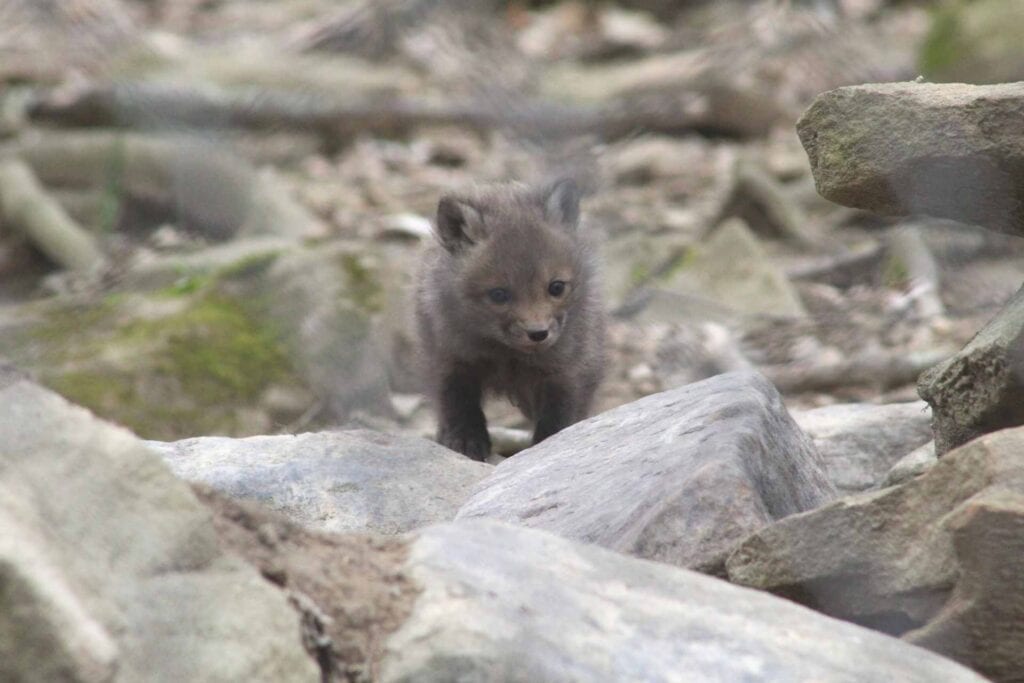
Foxes are so commonplace throughout the world, they are commonly seen in mythology and cited throughout history.
“They’ve been with humans basically forever; you can go back in almost any culture and find some kind of mythological being that is a fox,” Moore said. “Lots of different cultures have some kind of mythology tied to a fox character.”

One of the reasons they can easily adapt to many environments is because of their eclectic diet.
“They’re omnivores, so they’re going to eat almost anything and everything they can get. They’ll eat berries from vegetative matter, but they’re also very, very good hunters of anything smaller than them: birds, mice, moles, rabbits and weasels, so they are basically a mid-tier predator,” Moore said. “Anything that’s bigger than a fox is going to be able to drive it off or they’re not going to really fight with it. Coyotes directly compete with them and often drive red foxes out; they’re not a top-tier predator.”
The two red and gray foxes at the wildlife center have a steady diet of dog food and will receive pieces of meat as a treat occasionally.
“They’ll be most active during the day – the red fox, especially – and they prefer territories that are more meadows and forest-edge kind of territories,” Moore said. “The gray foxes would prefer more trees because they are the only fox species that really climb trees.”

Foxes that have completely adapted to an urban environment will become more active at night so they can scavenge for food.
“Red foxes are mostly out during the day, but then there’s this whole research subcategory about urban foxes because foxes have adapted so well to urban environments as well,” Moore said. “They’ll make dens on the outskirts of cities and then they’ll come into the city to scavenge off of anything they can find, usually during the night, and dawn. Those types of animals are called crepuscular; they’ve adapted because that’s when there are fewer people around, so that’s when they’re less likely to be harassed by other animals like dogs and cats.”
Red foxes will often be found in groups, with several generations in one gathering.
“They’ll pair off and mate and then they’ll have kits and then a lot of times, most kits will stick around and help raise the next generation of siblings,” Moore said. “Every population in every family dynamic is going to be different, but in general, kits have been observed sticking around for up to a year and helping raise the next generation.”

Skunks are also quickly blamed for their distinctive smell, but another possibility is that foxes have been marking their territory.
“They do mark their territory — it smells like a skunk – so when I first took my job here and went by the foxes, I said, ‘oh I can smell the skunk, he must be close,’ and they corrected me and told me ‘no, that’s actually the foxes,’ and we know that because there was no skunk around at the time and the only skunk we have on display is de-scented,” Moore said.
With warm weather fast approaching, Moore also wanted to remind people to seal up anything that could become the home of a fox and its family.
“Come springtime, we get a lot of calls from people asking us to get these foxes out from underneath their houses or porches and things like that, and we don’t like to do that as the DNR because it involves trapping and that’s often breaking up family groups and we don’t want to do that,” Moore said. “We really want to stress to homeowners and property owners that if you have crawl spaces or anything like that where they can get in, start trying to patch them up and board them up on the warmer, late winter days so you’re not going to get a family of foxes underneath your building at some point in time.”

Click the links below to read previous My Buckhannon Creature Features: